Source breathable japan sumitomo sanitary pads for night, day, and regular use
Find breathable japan sumitomo sanitary pads from 30 verified suppliers offering customizable options with soft cotton top sheets and high absorbency. Compare features like winged shapes, leak guards, and various lengths to match specific needs for day or night usage.
Key considerations
Products List


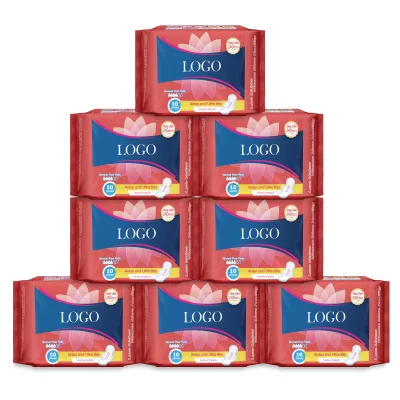
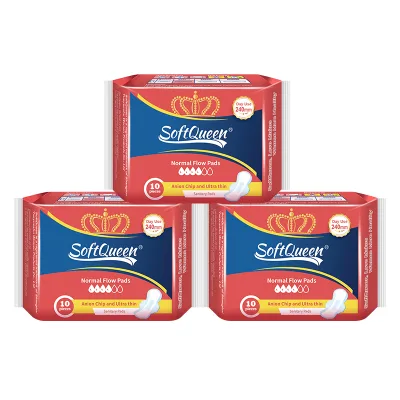
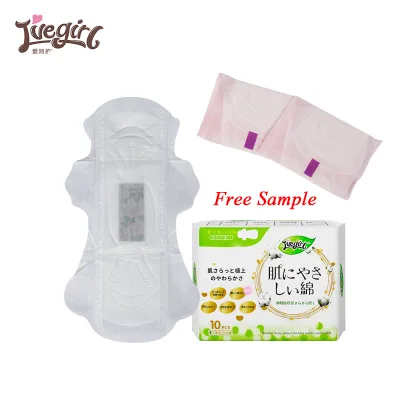
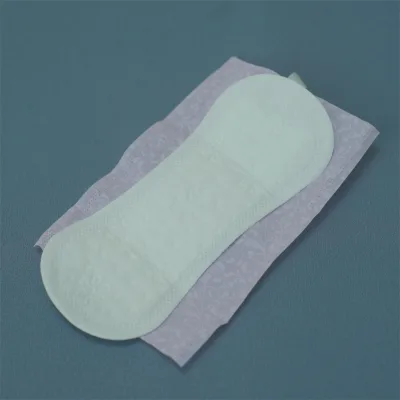
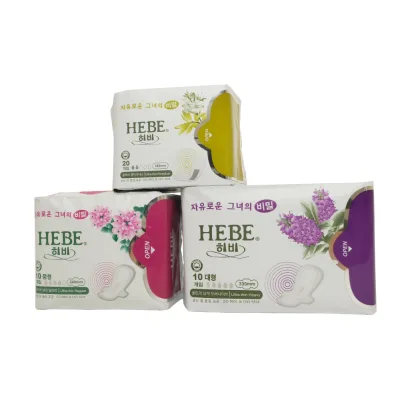
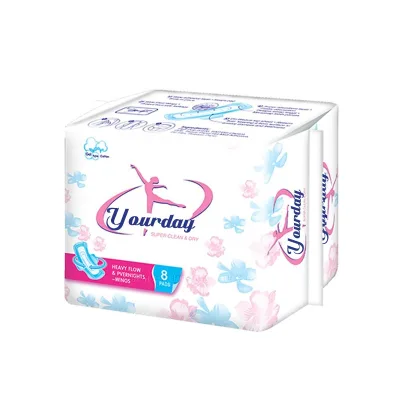
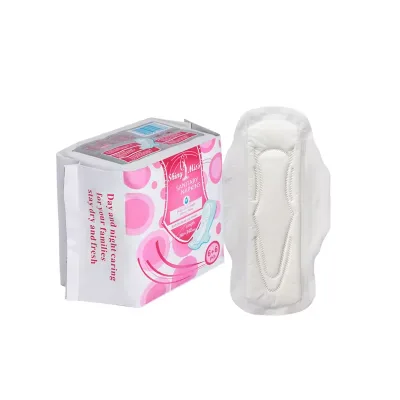
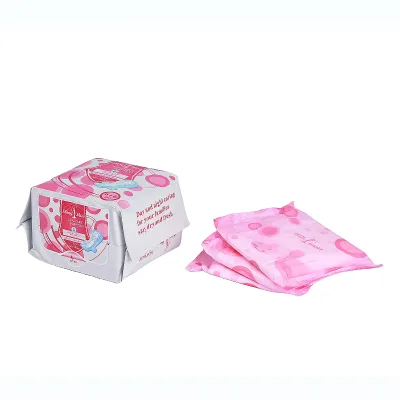
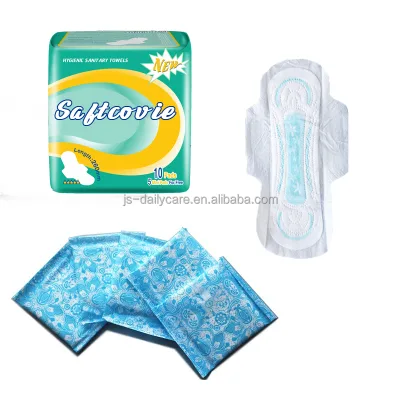


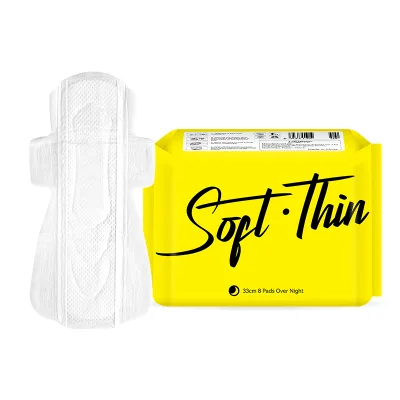
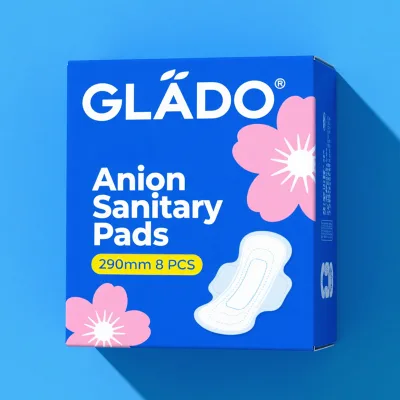
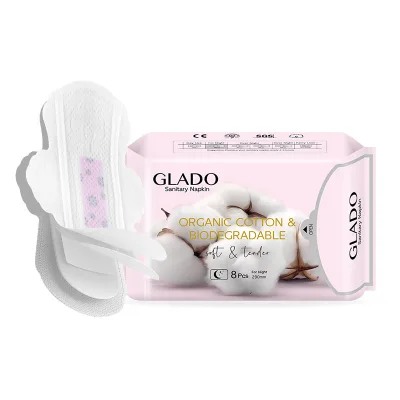


Comprehensive Sourcing Guide
Strategic Sourcing Guide for Breathable Japan Sumitomo Sanitary Pads
Understanding Core Product Attributes and Technical Specifications
When sourcing breathable sanitary pads featuring Japan Sumitomo superabsorbent polymer (SAP), buyers must first establish a precise understanding of the technical architecture that defines this product category. The core value proposition relies heavily on the integration of high-performance materials that balance absorption with user comfort. Based on available market data, the primary material composition often involves a non-woven top sheet, though some variations utilize cotton for enhanced softness. The presence of a "Super Absorbent" feature is a critical indicator, directly linked to the inclusion of Japan Sumitomo SAP, a globally recognized standard for fluid retention efficiency.
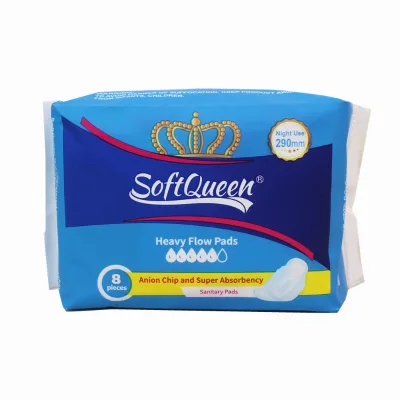
The physical dimensions of these products vary significantly to accommodate different usage scenarios. Observed specifications indicate a wide range of lengths, including 150mm, 240mm, 290mm, 330mm, and 270mm. The "Ultra Thin" and "Regular" classifications suggest that manufacturers offer distinct profiles for day and night use. For instance, products designed for nighttime use often feature extended lengths like 290mm to ensure maximum coverage, while day-use variants may prioritize a "Winged" shape for secure placement. The backsheet is a crucial component for breathability; a "Breathable Backsheet" allows air circulation, reducing heat buildup and moisture retention against the skin, which is essential for preventing irritation.
The structural integrity of the pad is further defined by its top sheet composition. Buyers should verify whether the product utilizes a "Soft Cotton Top Sheet" or a "Super Soft Cotton" variant, as this directly impacts the tactile experience and skin compatibility. The "Without Flavor" attribute is a standard requirement for sensitive skin applications, ensuring that no chemical additives cause allergic reactions. Additionally, the "Leak Guard" feature is a non-negotiable specification for high-absorbency products, designed to prevent side leakage during movement. The combination of these attributes—breathability, specific SAP sourcing, and precise sizing—creates the baseline for a high-quality sanitary pad suitable for B2B distribution.
Compliance Framework and Certification Verification
Navigating the regulatory landscape for sanitary products requires rigorous verification of certifications to ensure market access and consumer trust. The supply chain for these products typically demands adherence to international quality management standards. Observed data points to the prevalence of ISO and CE certifications among manufacturers. Specifically, ISO 9001 is frequently cited as a baseline for quality management systems, ensuring consistent production processes. In some contexts, the ISO 9001:2015 standard is referenced, indicating a modernized approach to quality control and continuous improvement.
Beyond general quality management, specific product certifications are vital for global trade. The "Halal" certification is a significant differentiator, particularly for markets in the Middle East and Southeast Asia, where religious dietary and hygiene laws dictate product eligibility. The presence of Halal certification on a sanitary pad indicates that the materials and manufacturing process comply with Islamic dietary laws, a crucial factor for brand positioning in these regions. Furthermore, the CE marking signifies conformity with health, safety, and environmental protection standards for products sold within the European Economic Area.
Buyers must exercise caution when interpreting certification claims. While "BSCI" (Business Social Compliance Initiative) is often associated with ethical manufacturing practices, its specific status for a given batch should be verified directly with the supplier rather than assumed. Similarly, while "ISO" is a broad category, the specific version (e.g., 9001 vs. 13485 for medical devices) determines the scope of compliance. The procurement strategy should mandate that suppliers provide valid, up-to-date certificates for all claimed standards. Relying on general assertions without documentary proof can lead to compliance failures at customs or during retailer audits. The intersection of ISO, CE, and Halal certifications forms a robust triad for a product intended for international distribution, ensuring it meets diverse regulatory and cultural requirements.
Cost Drivers and Pricing Dynamics in the Supply Chain
The pricing structure for breathable sanitary pads with Japan Sumitomo SAP is influenced by a complex interplay of material costs, production complexity, and order volume. The observed price range in the market spans from $0.02 to $4.07 per unit, a variance that reflects differences in product tier, packaging, and order quantity. The inclusion of Japan Sumitomo SAP is a primary cost driver; this specific raw material is premium-priced compared to generic alternatives, directly impacting the base cost of the finished product. Consequently, pads marketed with this specific SAP inclusion will generally command a higher price point than those using unbranded or regional absorbents.
Order volume plays a decisive role in the final unit cost. The Minimum Order Quantity (MOQ) varies widely, ranging from single items to 1,000,000 units. Buyers purchasing at the lower end of the MOQ spectrum (e.g., 1-100 units) will likely face unit prices closer to the upper limit of the observed range. Conversely, bulk procurement, such as orders filling a 20gp container, allows for significant economies of scale, pushing the unit price toward the lower end. The "20gp" MOQ specification indicates that many suppliers structure their pricing around full container loads, which is standard for international B2B trade to optimize logistics costs.
Packaging and customization also contribute to cost variability. The availability of "Different Package Quantity" options and "Customized Logo" services adds layers of complexity to the production run. Customization requires setup costs and potentially longer lead times, which are often factored into the unit price. Furthermore, the choice of materials, such as switching from a standard non-woven top sheet to a "Soft Cotton" variant, will increase the material cost. Buyers must balance the desire for premium features like "Super Absorbent" capabilities and "Soft Feeling" against the budget constraints of their target market. Understanding these cost drivers is essential for negotiating favorable terms and ensuring that the final product remains competitive in the retail sector.
Typical Applications and Market Segmentation
The versatility of breathable sanitary pads with Japan Sumitomo SAP allows them to serve multiple market segments, each with distinct usage requirements. The primary segmentation is based on the time of day and flow intensity. Products labeled for "Night" use typically feature longer lengths (e.g., 290mm) and enhanced absorbency to manage heavy flow during sleep. These products often emphasize the "Winged" shape to prevent shifting and leakage, ensuring security throughout the night. In contrast, "Day" use products prioritize discretion and comfort, often utilizing "Ultra Thin" profiles that are less noticeable under clothing while maintaining the "Breathable" characteristics necessary for all-day wear.
Beyond time-of-day segmentation, the product line caters to specific functional needs. The "Anion Women Pads" category represents a specialized segment that claims additional health benefits, though buyers should verify the scientific basis of such claims. The "Regular" type serves the general population, offering a balance of absorbency and thickness suitable for average flow days. The "Winged" design is a standard feature for most external use products, providing lateral stability. The "External Use" designation is critical, confirming that these products are intended for surface application and not for internal insertion, aligning with safety regulations for feminine hygiene products.
The application extends to various retail channels, from mass-market supermarkets to specialty health stores. The "Different Package Quantity" availability allows suppliers to cater to both single-item impulse buys and multi-pack household essentials. The "Soft Feeling" advantage is a key selling point for consumers with sensitive skin, making these products suitable for premium retail segments. Additionally, the "Customization" capability enables brands to create private-label products tailored to specific demographic preferences, such as eco-conscious packaging or specific scent profiles (though "Without Flavor" is the standard for safety). Understanding these applications helps buyers align their procurement strategy with the specific needs of their target customer base.
Supplier Evaluation and Manufacturing Capabilities
Evaluating suppliers for sanitary pads requires a deep dive into their manufacturing capabilities, origin, and operational flexibility. The geographic origin of the products is a significant factor in logistics and quality perception. Data indicates that production originates from key manufacturing hubs in China, specifically Fujian and Shanghai. These regions are known for their mature textile and non-woven industries, offering a robust supply chain for raw materials like cotton and non-woven fabrics. The "Place of Origin" should be clearly stated on product documentation to ensure transparency and compliance with country-of-origin labeling laws.
Supplier flexibility is another critical evaluation criterion. The ability to offer "OEM" (Original Equipment Manufacturer) and "ODM" services is essential for brands looking to differentiate themselves. The "Accept" status for OEM indicates that suppliers are willing to produce goods under the buyer's brand name, including custom packaging and labeling. The availability of "Customzied Logo" services further supports this, allowing for brand identity integration. Buyers should assess the supplier's capacity to handle "Different Package Quantity" requests, as this flexibility is crucial for adapting to fluctuating market demands.
Quality control systems must be robust to maintain the integrity of the product. The presence of "ISO" and "CE" certifications suggests that the supplier has established quality management systems. However, buyers should verify the scope of these certifications to ensure they cover the specific production lines for sanitary pads. The "Single gross weight" and "Single package size" specifications provide insight into the standardization of the production process. Consistency in these metrics is vital for logistics planning and shelf-space optimization. Additionally, the "Model Number" variations (e.g., Maci Lady, Blyss, SXtouqi290-5) indicate a diverse product portfolio, suggesting that the supplier has the technical expertise to produce various pad types. A thorough evaluation should include factory audits to confirm that the claimed certifications and capabilities are genuine and consistently applied.
Long-Term Procurement Considerations and Quality Assurance
Sourcing breathable sanitary pads with Japan Sumitomo SAP is not merely a transactional activity but a strategic partnership that requires long-term planning. Quality assurance must be an ongoing process, not a one-time check. The "3 Years" warranty mentioned in some product listings is an unusual attribute for consumable hygiene products and warrants careful verification. Typically, sanitary pads do not carry a warranty in the traditional sense; this may refer to a guarantee of material integrity or a specific policy regarding batch consistency. Buyers should clarify the exact terms of such warranties to avoid misunderstandings regarding product liability and returns.
Supply chain resilience is paramount. The "Lead Time" and "MOQ" constraints can impact inventory management. With MOQs ranging from 1 to 1,000,000 units, buyers must align their order frequency with their sales velocity to avoid stockouts or overstocking. The "20gp" container requirement for bulk orders implies a need for significant storage capacity and cash flow management. Buyers should develop a relationship with suppliers that allows for flexible ordering, enabling them to adjust volumes based on seasonal demand fluctuations, such as increased sales during menstruation cycles or promotional periods.
Sustainability and material sourcing are increasingly important long-term considerations. The use of "Cotton" and "Non-Woven" materials raises questions about environmental impact. Buyers should inquire about the sourcing of these materials and whether the supplier employs sustainable manufacturing practices. The "Breathable" and "Super Absorbent" features contribute to product performance, but the disposal of the product is also a factor. While the product is "Disposable," the environmental footprint of the packaging and the pad itself is a growing concern for consumers. Long-term procurement strategies should include evaluating suppliers who are investing in eco-friendly alternatives or reducing packaging waste.
Finally, the "Brand Name" and "Model Number" consistency are crucial for maintaining market presence. The "yueyueshu" brand and various model numbers indicate a structured product line. Buyers should ensure that the supplier maintains consistency in these identifiers to prevent brand dilution or confusion in the market. Regular quality audits, clear communication channels, and a shared vision for product improvement will ensure a successful, long-term procurement relationship. By focusing on these strategic elements, buyers can secure a reliable supply of high-quality sanitary pads that meet the evolving needs of their customers.
FAQs
What certifications do these sanitary pads hold?
These products hold ISO, CE, and Halal certifications. Some listings also specify ISO9001 compliance. Buyers should verify valid certificates for all claimed standards before procurement.
Which absorbent material is used in these pads?
The pads utilize Japan Sumitomo superabsorbent polymer for high absorption. This premium material ensures efficient fluid retention. The feature is explicitly listed as Super Absorbent in the product specifications.
Can I customize the logo and packaging?
Yes, customization is available for logos and package quantities. Suppliers accept OEM orders with different package options. This allows brands to create private-label products tailored to specific market needs.
What are the available lengths for these pads?
Available lengths include 150mm, 240mm, 270mm, 290mm, and 330mm. Night use variants often feature 290mm lengths for extended coverage. Day use options prioritize thinner profiles for discretion.
Where are these products manufactured?
Products originate from Fujian and Shanghai in China. These regions host mature textile industries for non-woven and cotton materials. The place of origin is clearly stated on product documentation for transparency.
What is the minimum order quantity for these pads?
The MOQ ranges from 1 to 1,000,000 units. Some suppliers specify a 20gp container as a standard bulk order. Lower MOQs allow for smaller trial runs while bulk orders optimize logistics costs.